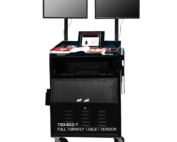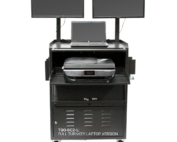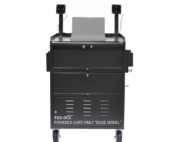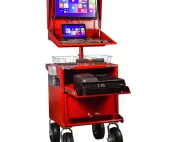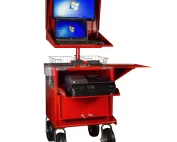

In high-volume collision shops, carts and stands are used constantly. They are loaded, moved, adjusted, and relied on throughout the day. When equipment is selected purely on upfront price, the real cost shows up later in lost time and frustrated technicians.
Cheap equipment rarely fails all at once. Instead, it creates small delays that quietly reduce throughput.
Why Cheap Equipment Becomes a Production Problem
Lower-cost carts and stands often look acceptable on day one. Over time, common issues appear:
- Casters that bind, wobble, or fail
- Frames that flex under load
- Limited adjustability that forces awkward positioning
- Hardware that loosens and requires constant attention
Each issue may only cost minutes, but in a high-volume shop those minutes add up quickly.
The Throughput Loss You Never See on a Schedule
Most production losses caused by equipment never get tracked. Technicians do not log:
- Fighting a cart that will not roll smoothly
- Re-adjusting a stand that will not hold position
- Swapping equipment because “that one doesn’t work right”
Instead, they adapt. Production slows, cycle time creeps up, and the cause is hard to pinpoint.
How Equipment Quality Affects Technician Morale
Technicians notice equipment quality immediately. When carts and stands make work harder, the message is clear: speed and volume matter more than doing the job right.
Over time, this leads to:
- Frustration and workarounds
- Inconsistent processes
- Resistance to new workflow standards
- Lower engagement on the floor
In high-volume environments, morale directly impacts consistency and quality.
Smarter Equipment Supports Flow
Well-designed carts and stands do not make technicians faster. They remove friction.
Smarter equipment typically provides:
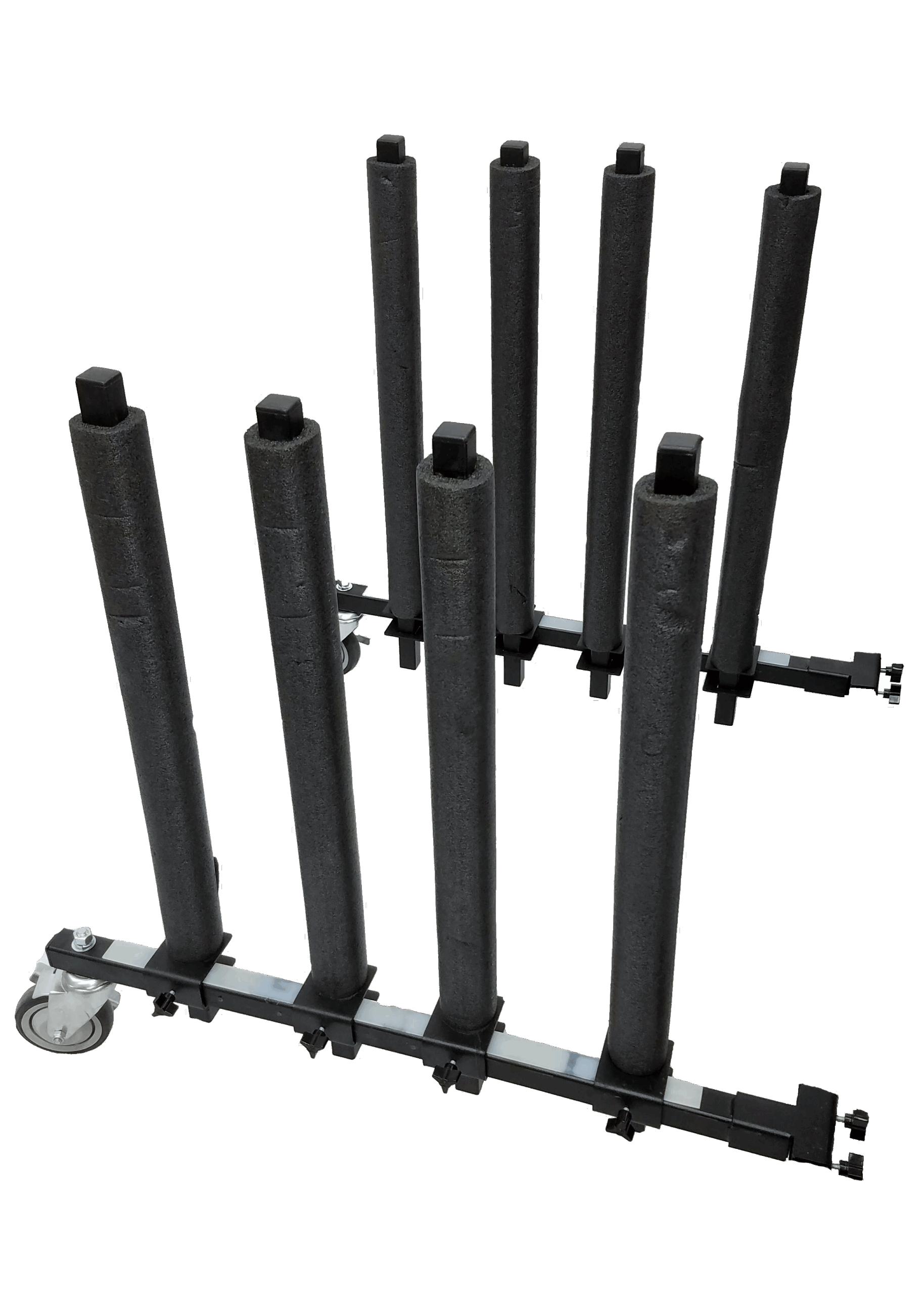
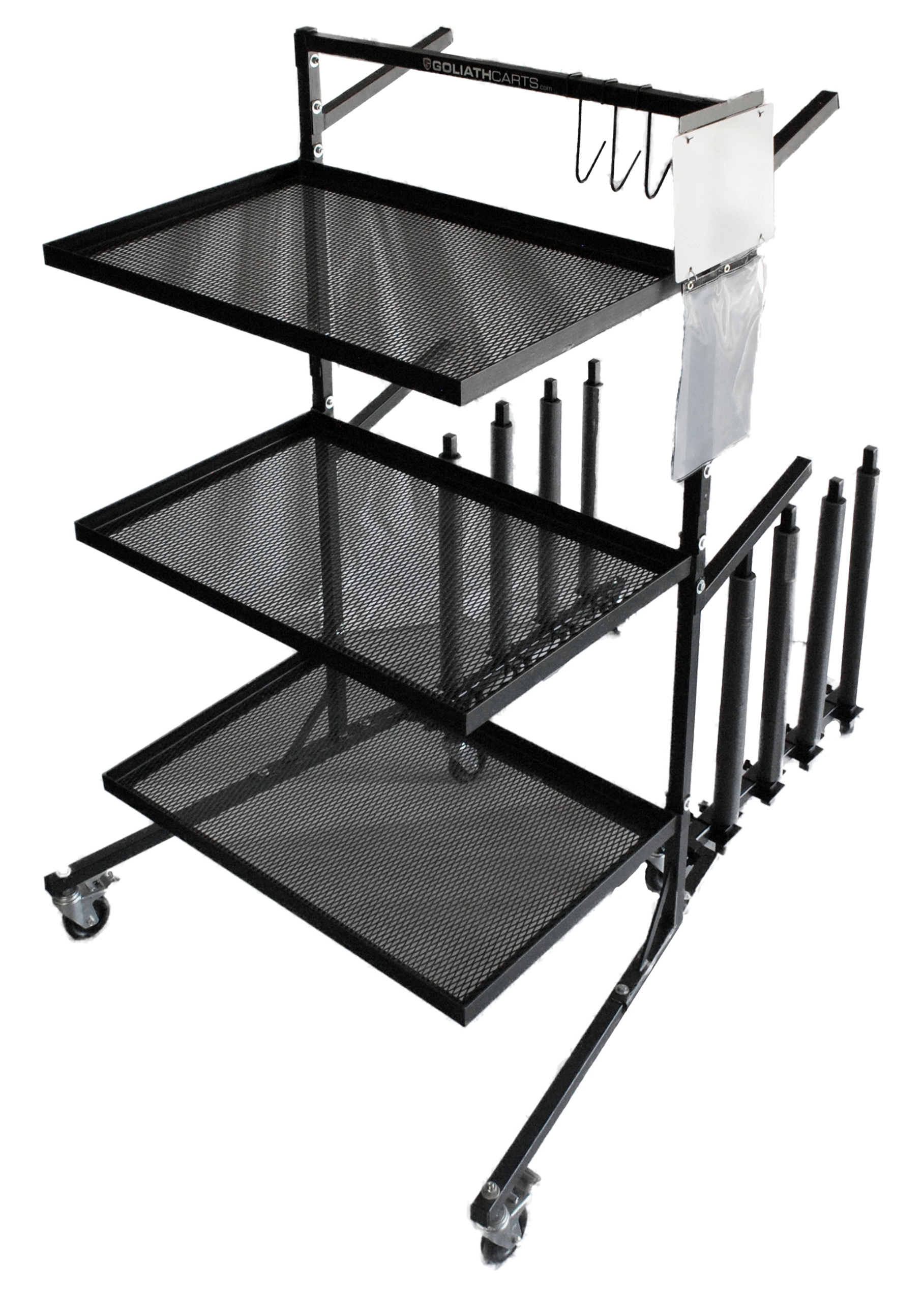
- Stable platforms that do not shift under load
- Casters built for daily movement on shop floors
- Adjustability that supports proper positioning
- Layouts that reduce unnecessary handling
When equipment supports the process, technicians stay focused on the work instead of the workaround.
The Takeaway
In high-volume collision shops, carts and stands are part of the production system, not accessories.
Cheaper equipment may reduce upfront cost, but it often increases downtime, slows throughput, and wears on technician morale. Smarter equipment protects flow, consistency, and the people doing the work.
Talk with our team about optimizing your workflow. Call 866-694-2278 to get the right equipment for your shop.