Most production delays in collision repair aren’t caused by complex repairs.
They’re caused by small interruptions.
Missing hardware.
Unlabeled parts.
Panels leaning against walls.
These issues rarely appear on a repair order, but they quietly add hours to the repair process.
The Real Problem With Parts Handling
Modern vehicles contain hundreds of small components.
Fasteners, brackets, clips, trim pieces, and sensors must be removed, stored, and reinstalled during repair.
Without an organized system, these parts become difficult to track.
Technicians lose time searching for hardware, reordering parts, or improvising replacements.
Why Organization Matters
Organized parts handling improves more than just cleanliness.
It improves production.
When parts are organized:
- technicians find components faster
- repair orders stay accurate
- reassembly moves smoothly
- fewer parts are lost or damaged
Organization reduces friction throughout the repair process.
Mobile Parts Storage
Parts carts allow technicians to keep everything related to a repair order together and move it easily through the shop.
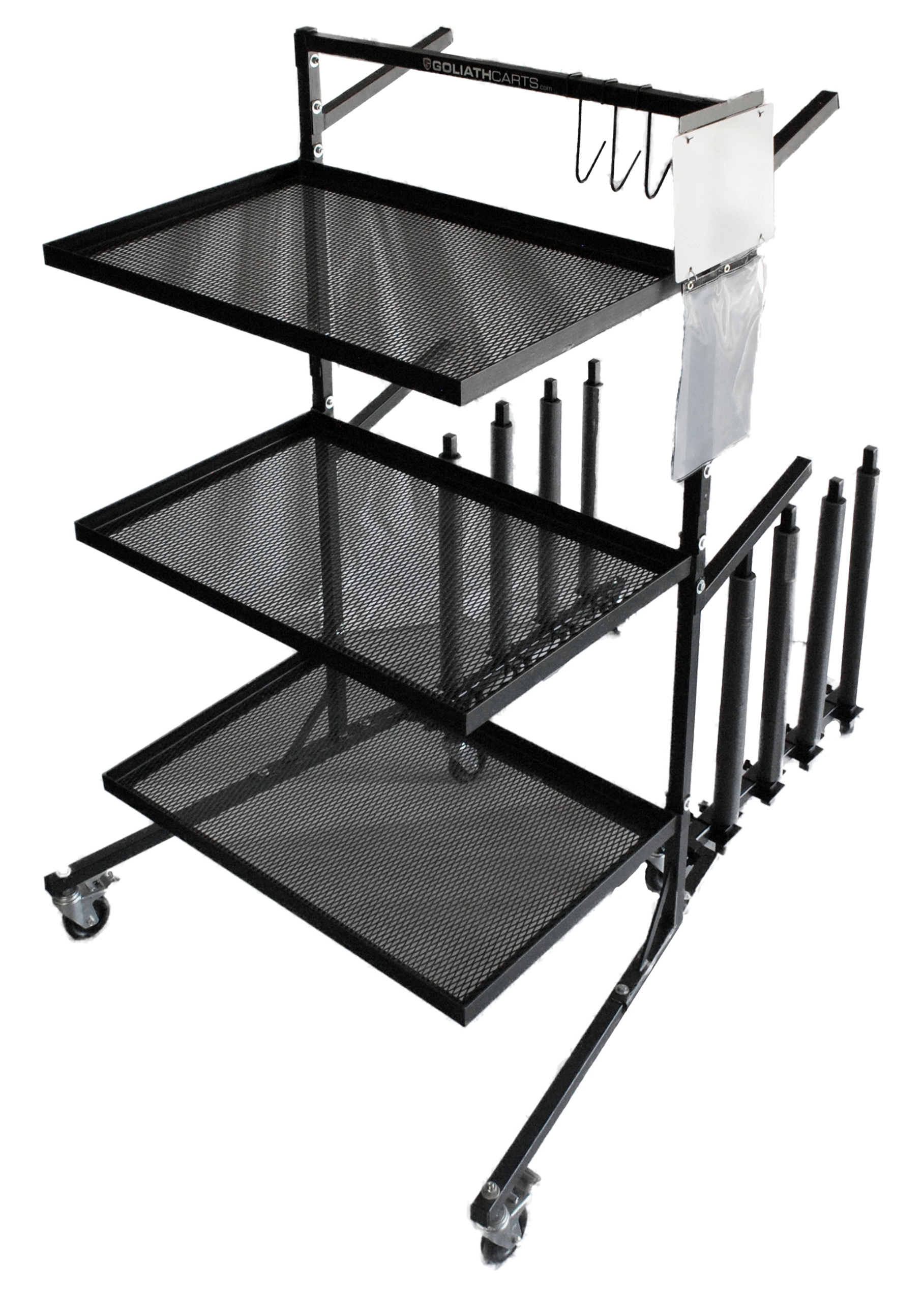
The PR1 Parts Cart is designed specifically for fast-paced repair environments, keeping parts visible, secure, and organized.
Mesh shelves prevent small components from falling through, while hanging storage allows parts, tools, and hardware to stay organized throughout the repair.
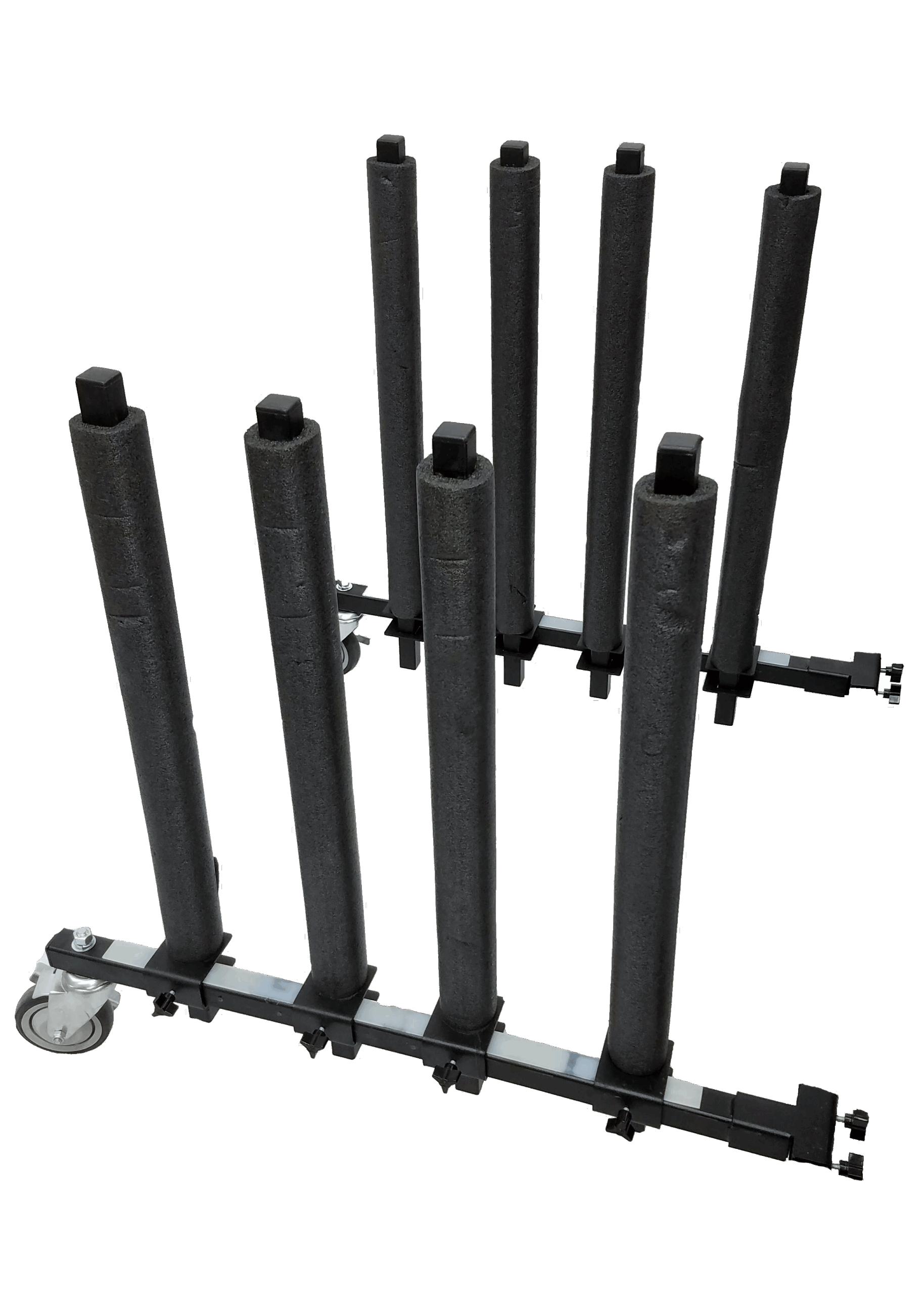
Optional accessories such as panel carts and repair order holders allow shops to customize the system to match their workflow.
Organization Drives Production
Collision repair is a complex process with many moving pieces.
When parts are organized and accessible, technicians spend less time searching and more time completing repairs.
Sometimes the simplest systems deliver the biggest improvements in production.